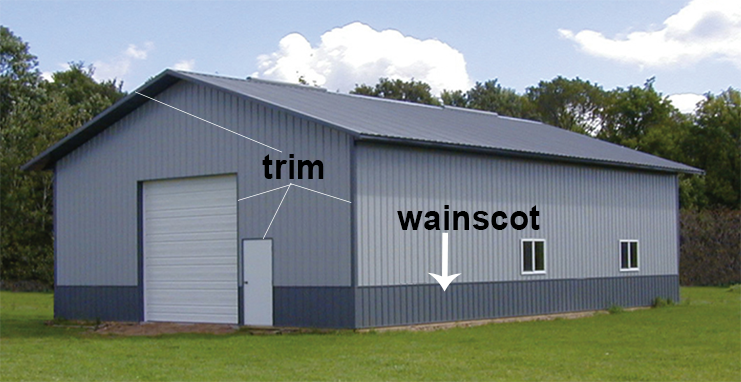
Estimate

Type: Standard -
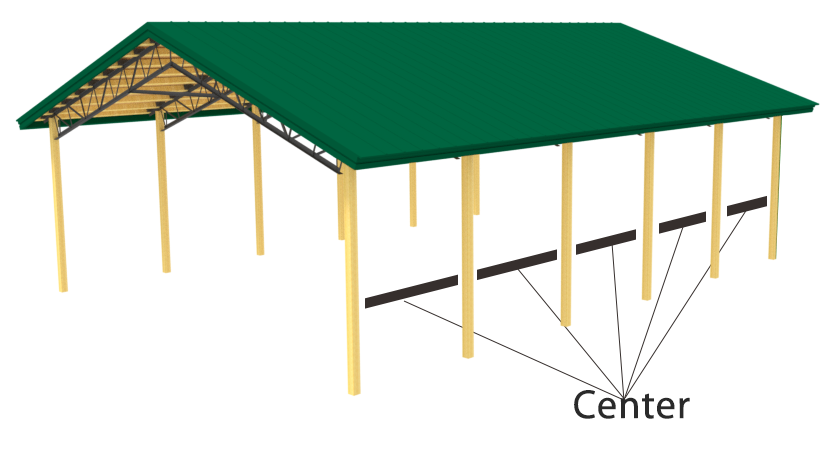
Center: 10 feet
Size: 40'(W) x 20'(L) x 12'(H)
Lean To: None
Lean To Type: None
Lean To Size: 10'(W) x 10'(L)
Lean To Pitch: 2/12
Options: [Gable Overhang] [Sidewall Overhang]
Metal Roof Purlins
Metal Roof Purlins
Metal roof purlins, such as Z or C purlins, are used in post-frame construction for their strength and durability, providing robust structural support for roofing systems. Their lightweight design simplifies installation while maintaining high load-bearing capacity, ideal for spanning wide distances. Z and C shapes allow for easy connection to posts and trusses, ensuring stability and efficient load distribution. Additionally, their resistance to rot, insects, and fire makes them a low-maintenance, long-lasting choice compared to wood.
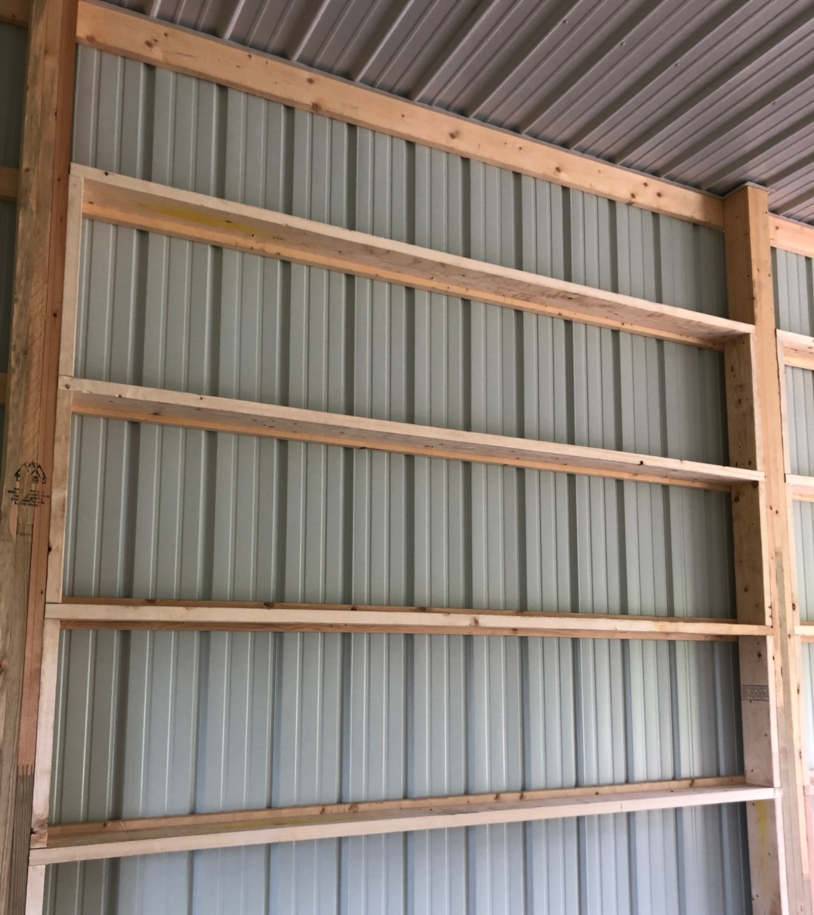
Bookshelf (Commercial) Wall Girts
Bookshelf girts are a framing technique used in pole barn construction where horizontal members (girts) are installed flush with the exterior of the posts rather than simply nailed to the face.
The main advantages of bookshelf girts are:
- Increased structural integrity
- Stronger connection than face-nailed girts
- Better insulation opportunities
- Easier interior finishing
- More professional appearance
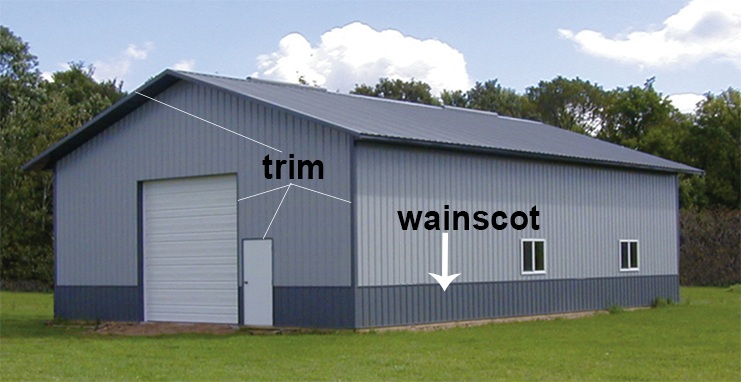
Wainscoting
Wainscoting
Pitch Options
Roof pitch refers to the steepness or slope of a roof, expressed as a ratio of vertical rise to horizontal run (e.g., 4/12 means the roof rises 4 inches for every 12 inches of run). Common pitches range from 3/12 to 12/12.
Lower Pitches (3/12–6/12)
These shallower slopes are more economical and easier to construct. They offer a lower profile, which can reduce wind resistance and material costs. However, they shed snow and rain more slowly.
Moderate to High Pitches (7/12–12/12)
Steeper roofs improve drainage and shed snow more efficiently. They also allow for additional overhead clearance or attic space and can create a more traditional or dramatic look. However, they typically require more materials and labor, increasing the overall cost.
Why Pitch Matters:
Choosing the right roof pitch affects not only the look of the building but also its performance and cost. A higher pitch may be preferable for areas with harsh weather or for customers wanting a more prominent visual appearance, while a lower pitch is often more practical and budget-friendly.
Barndominium
Roof Soffit Panels
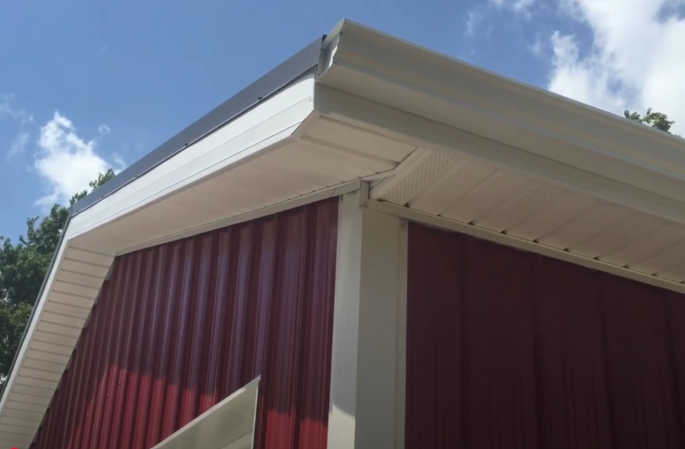
- Ventilation: Perforated soffits allow air to flow into the attic or roof space, preventing heat buildup and reducing moisture that could lead to mold or rot.
- Protection: Soffits shield the underside of the roof and the top of the walls from weather exposure—rain, wind, or snow.
- Pest Control: An open overhang invites birds, bats, wasps, or rodents to nest or enter. A soffit seals that gap, keeping critters out of your barn’s roof space or interior.
- Aesthetics: Soffits give a cleaner, finished look, hiding the structural bits like beams or trusses that might otherwise be visible.
Lumber Options
Estimates include all lumber required for barn construction. If you would like to buy and use your own lumber, you can change this option.
- All Lumber – Includes all lumber (posts, girts, headers, purlins, etc.) in the estimate.
- Posts Only – Includes only the posts (sizes offered by your dealer, e.g. 6x6, 8x8, and optionally larger) in the estimate. All other lumber is excluded.
- No Lumber – Excludes all lumber from the estimate, including posts.
A complete parts list can be provided to ensure that you know the type and quantity of lumber required for your build.
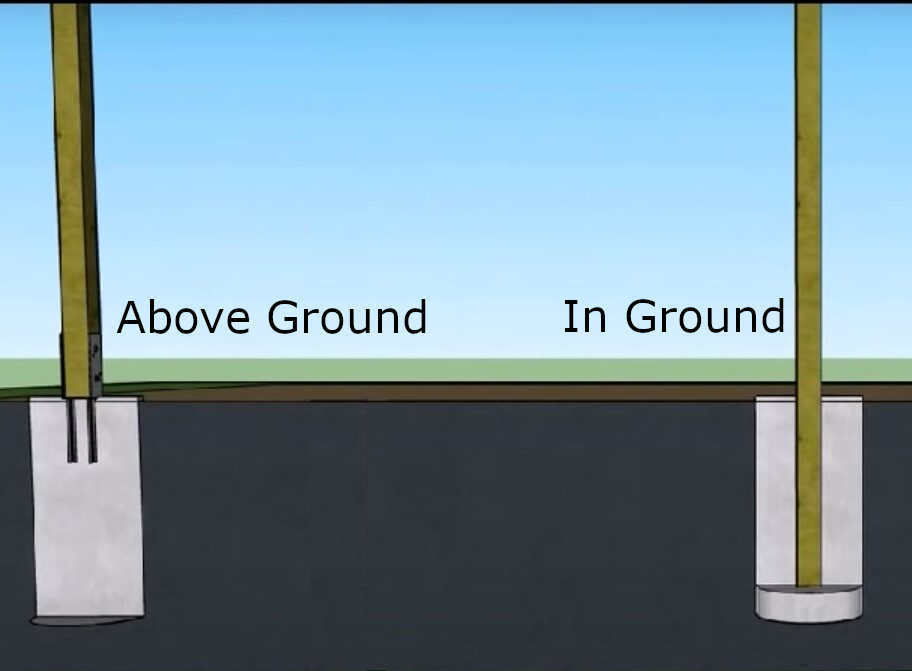
Post Set Options
Truss Type
Build Type
| Options | |
|---|---|
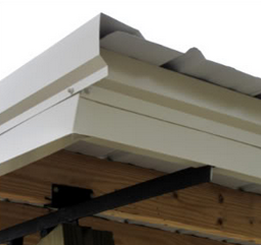
| Standard Kit w/ gable trim, fascia and drip edges |
|
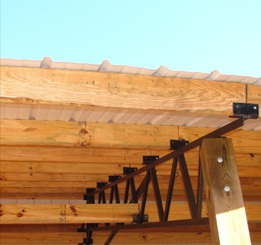
| Economy Kit w/ no gable trim, fascia and drip edges |
|
Painted Metal
Center Spacing
Lean To Pitch
Choose the roof pitch for lean-tos (rise per 12″ of run). Available options are set for your dealer.
When the lean-to eave height matches the main building or is one foot lower, transition trim may apply on the estimate.
Closure Panels
Roof Overhang
Standard Barn
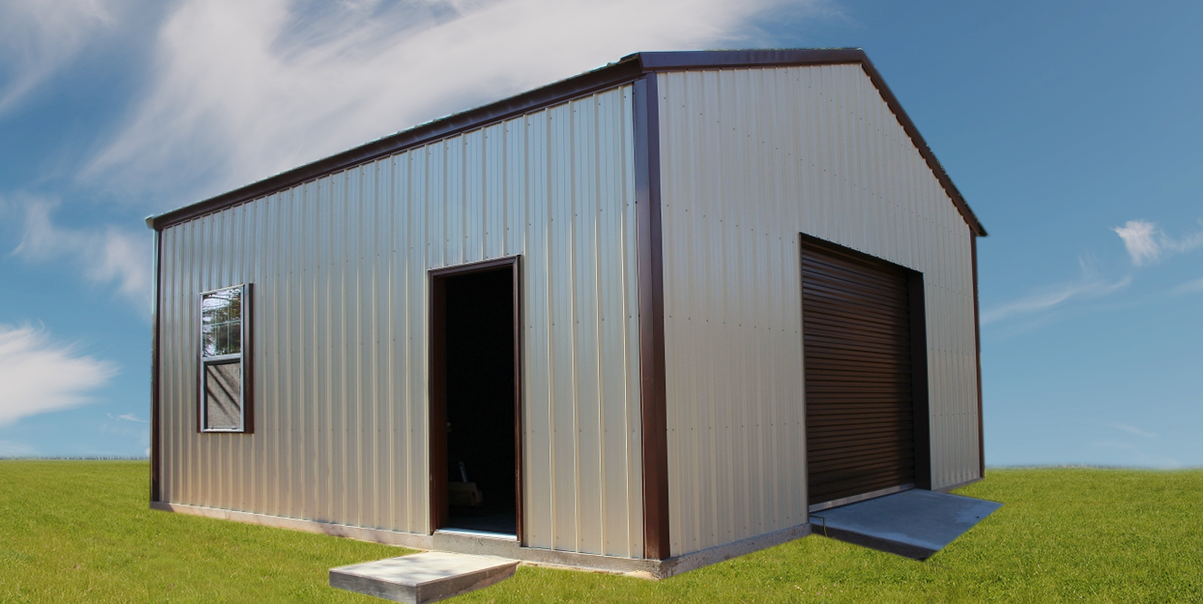
Barn With Roof Overhang
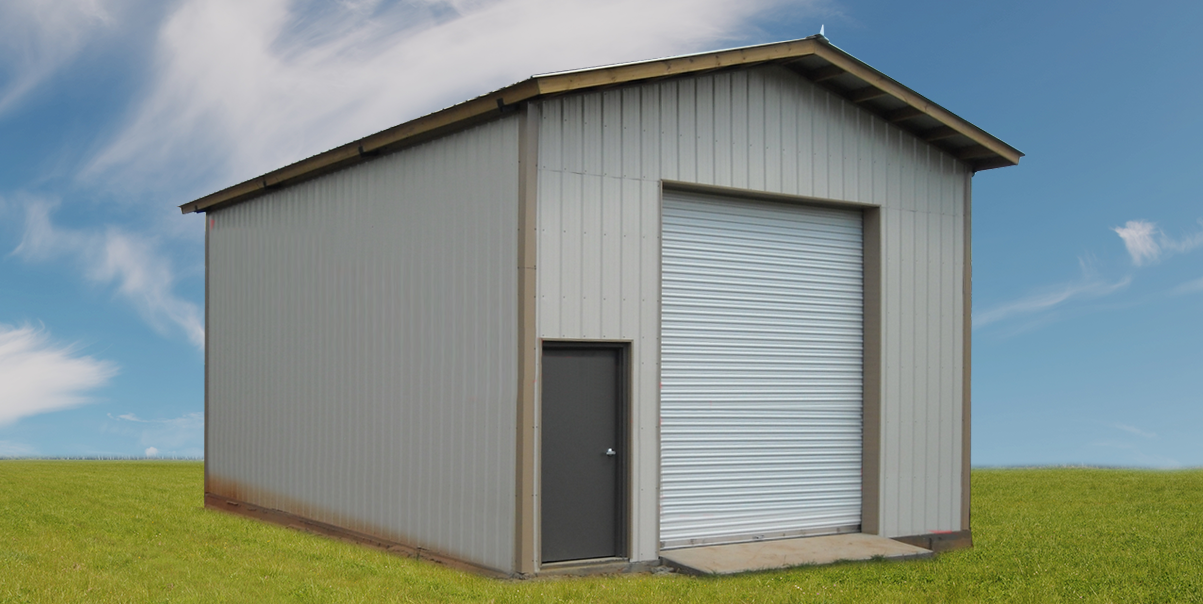
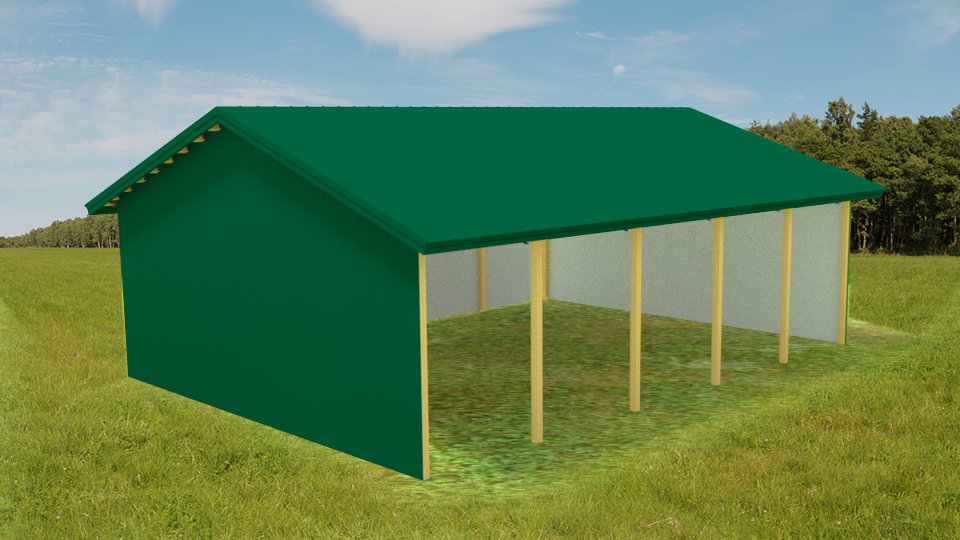
Sidewalls
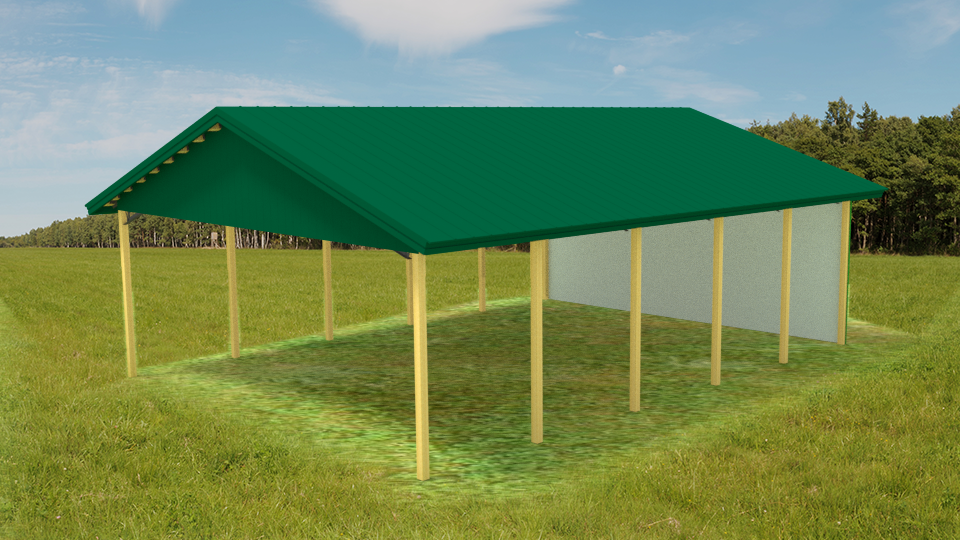
Open barn with two gable end walls and one sidewall
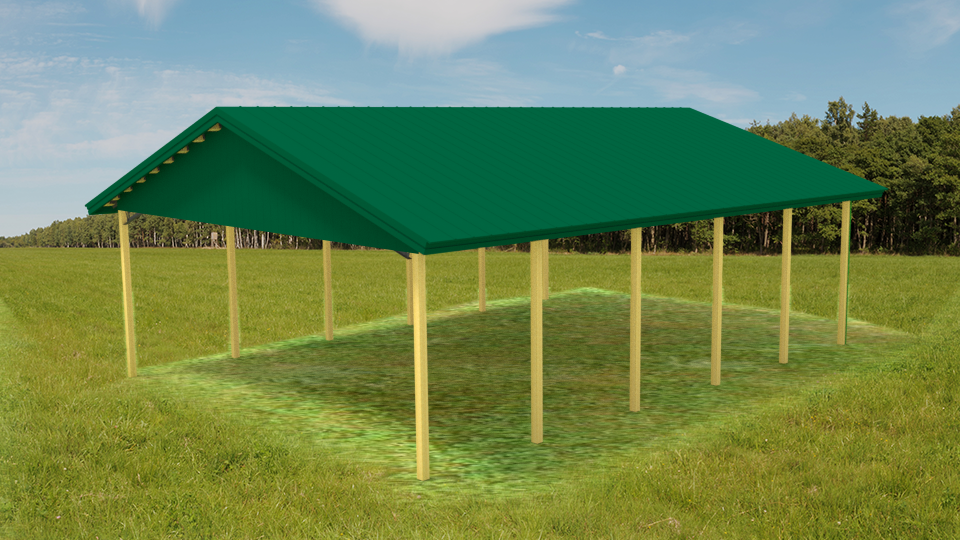
Closed Gable
Open barn with closed gable
Gable End Wall
Open barn with one closed gable and one gable end wall
Metal Gauge Upgrade
Wainscot